Our Method
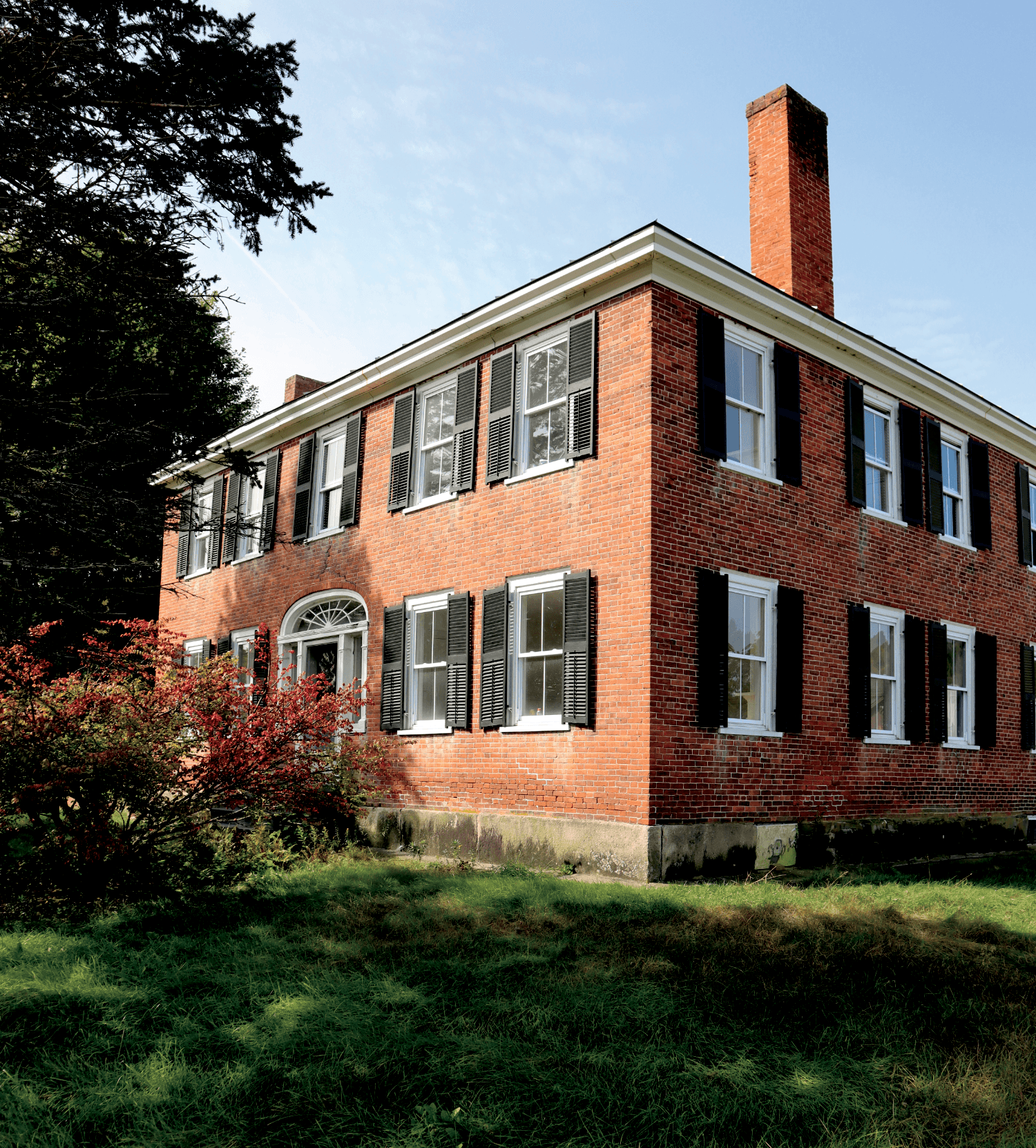
Sunkissed Farm sits on 29 acres of Connecticut River floodplain in Windsor, Vermont. The soil is sandy loam, rich from centuries of river deposits and 200 years of farming. We did not make this soil. We inherited it, and we work to keep it healthy.
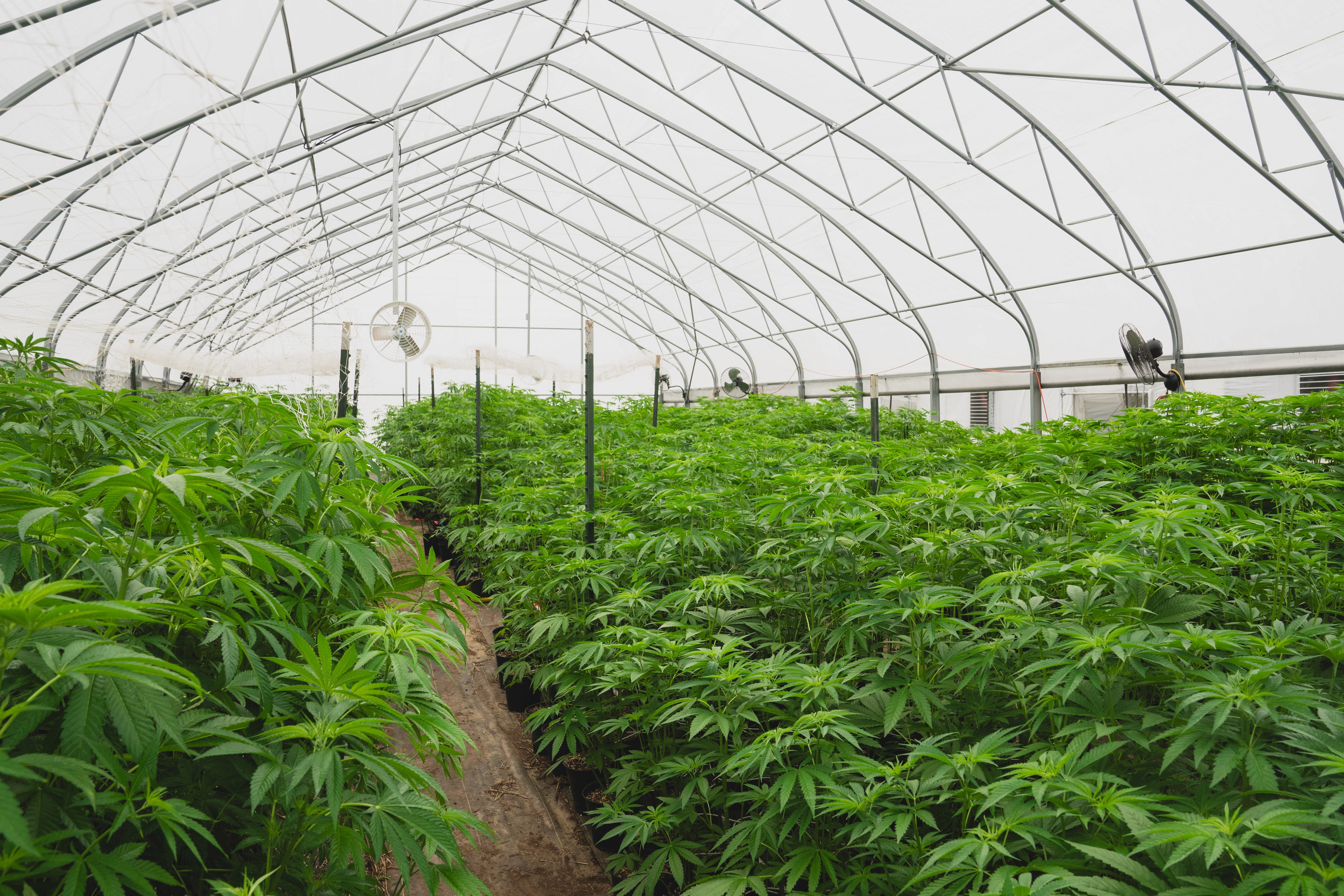
Every plant here starts from seed. We run our own breeding program, mixing old landrace strains with proven modern ones to make strains that fit this land. The genetics are ours. The land is ours. Nobody can copy either one.
How We Grow
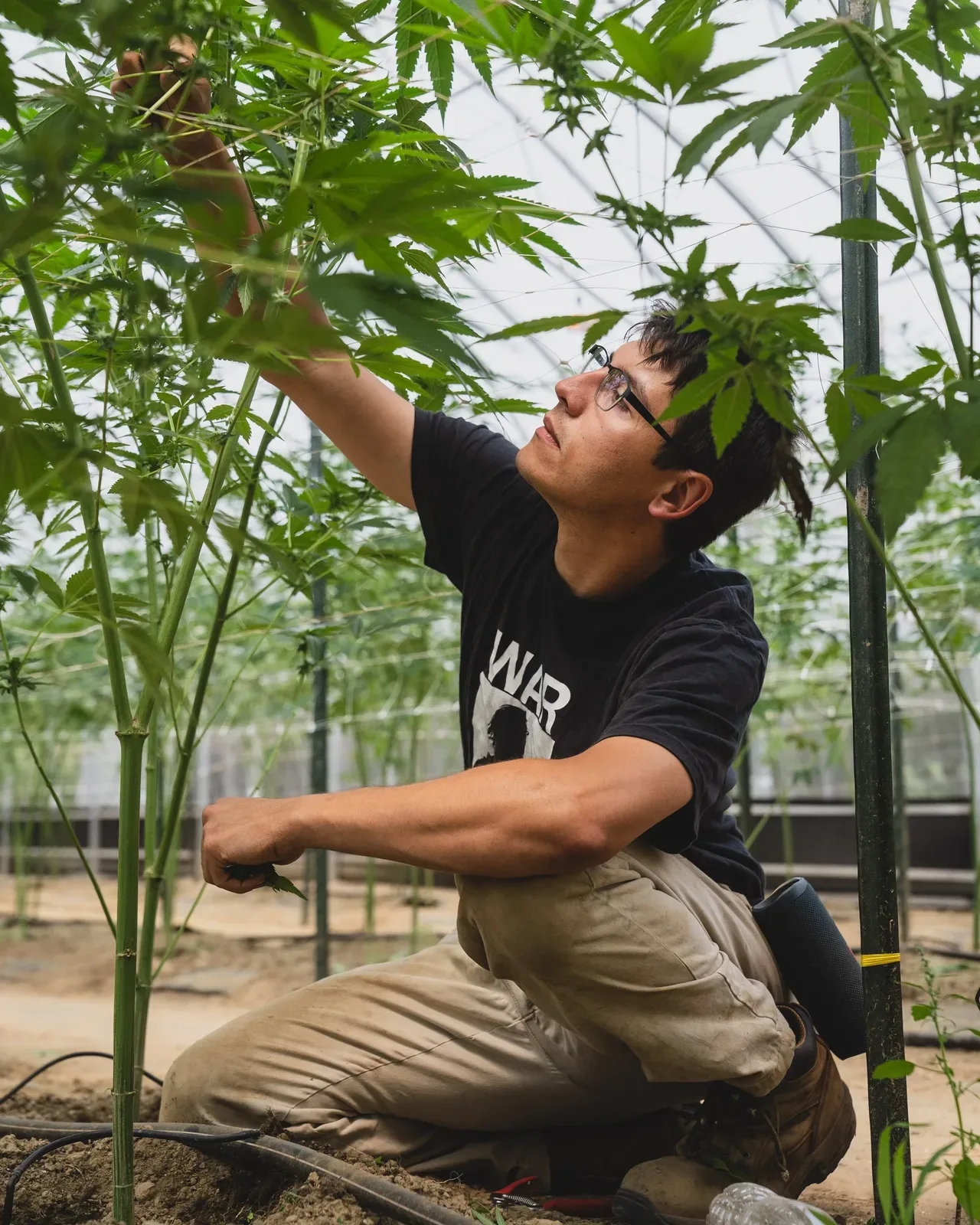
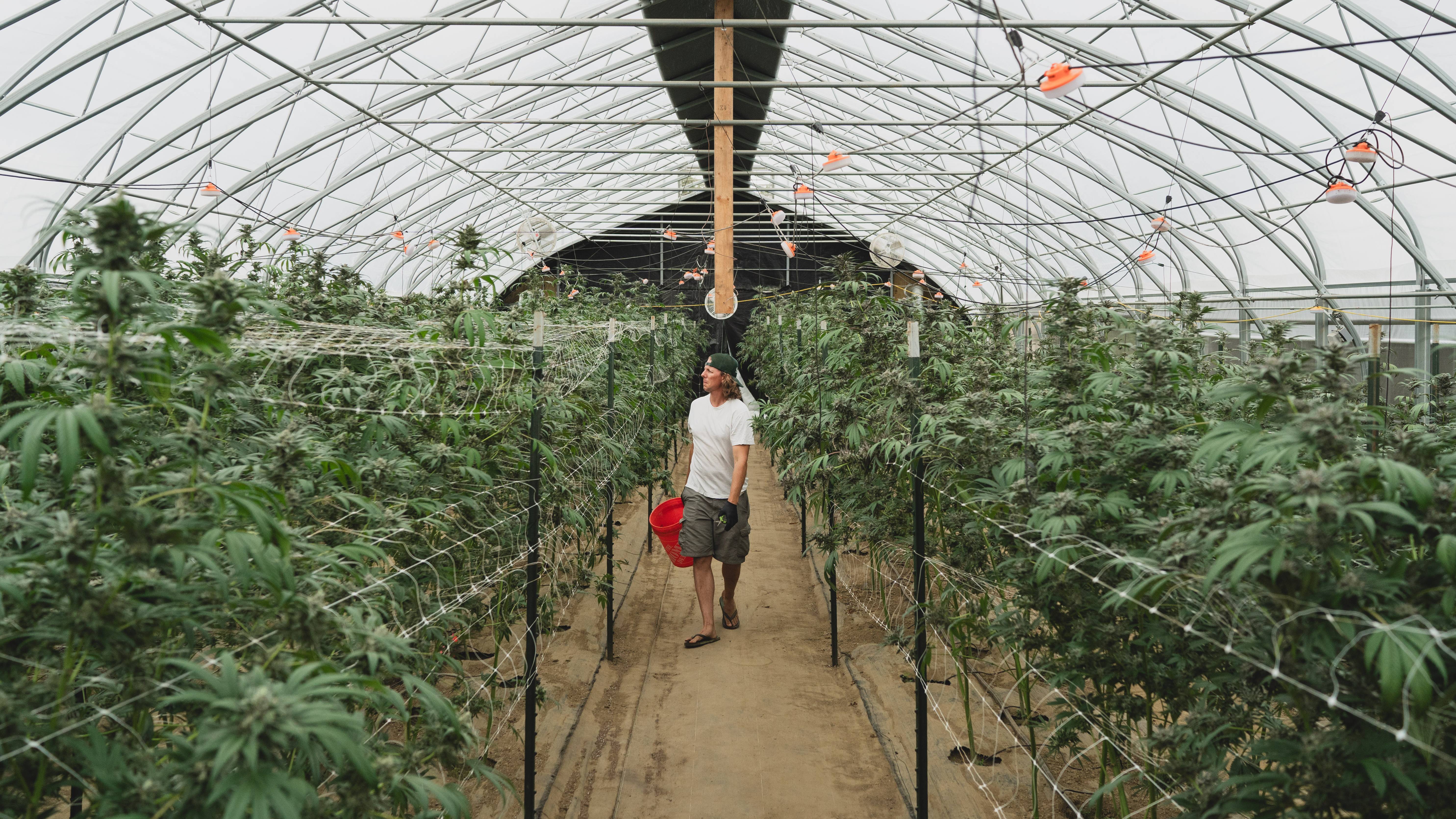
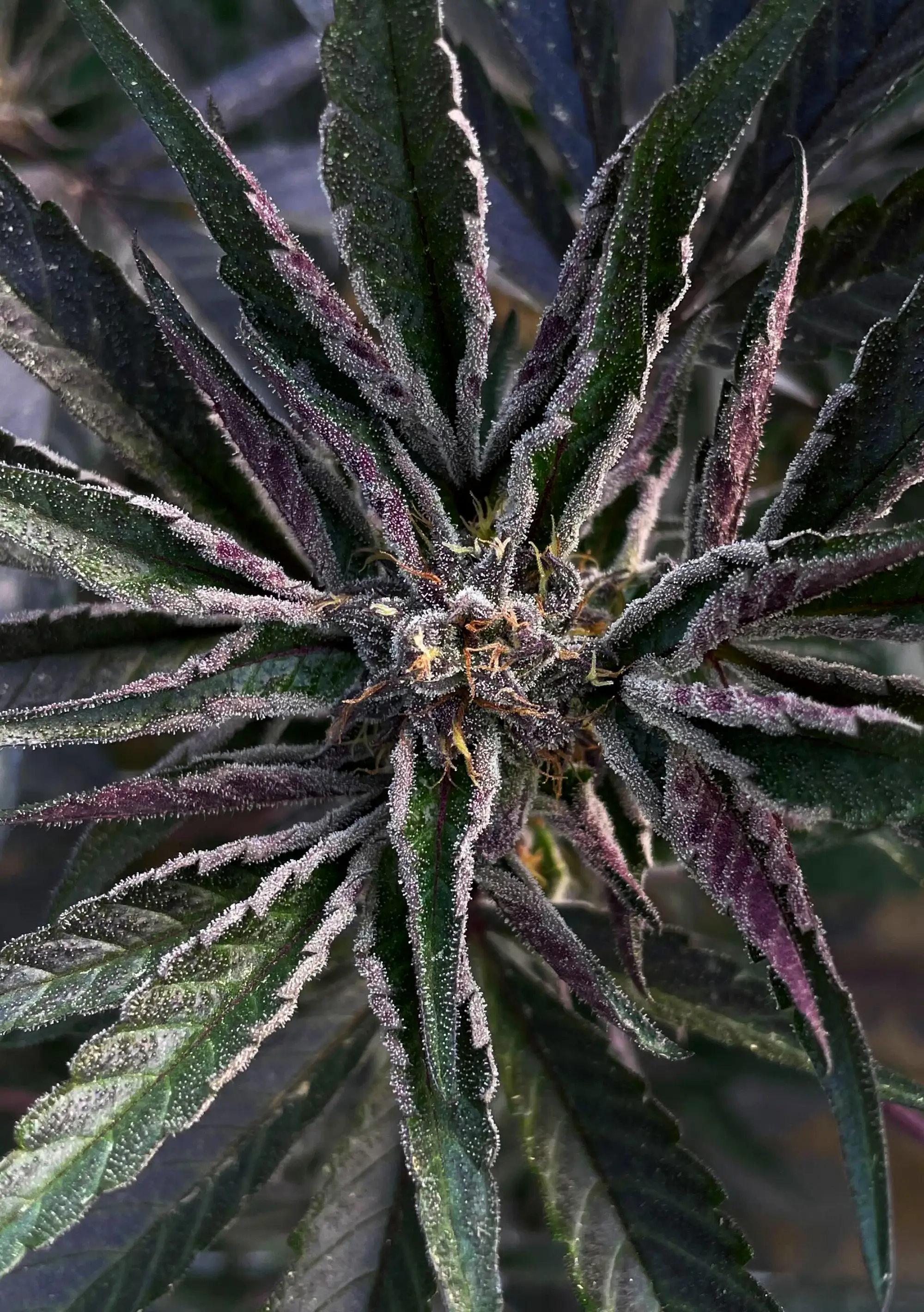
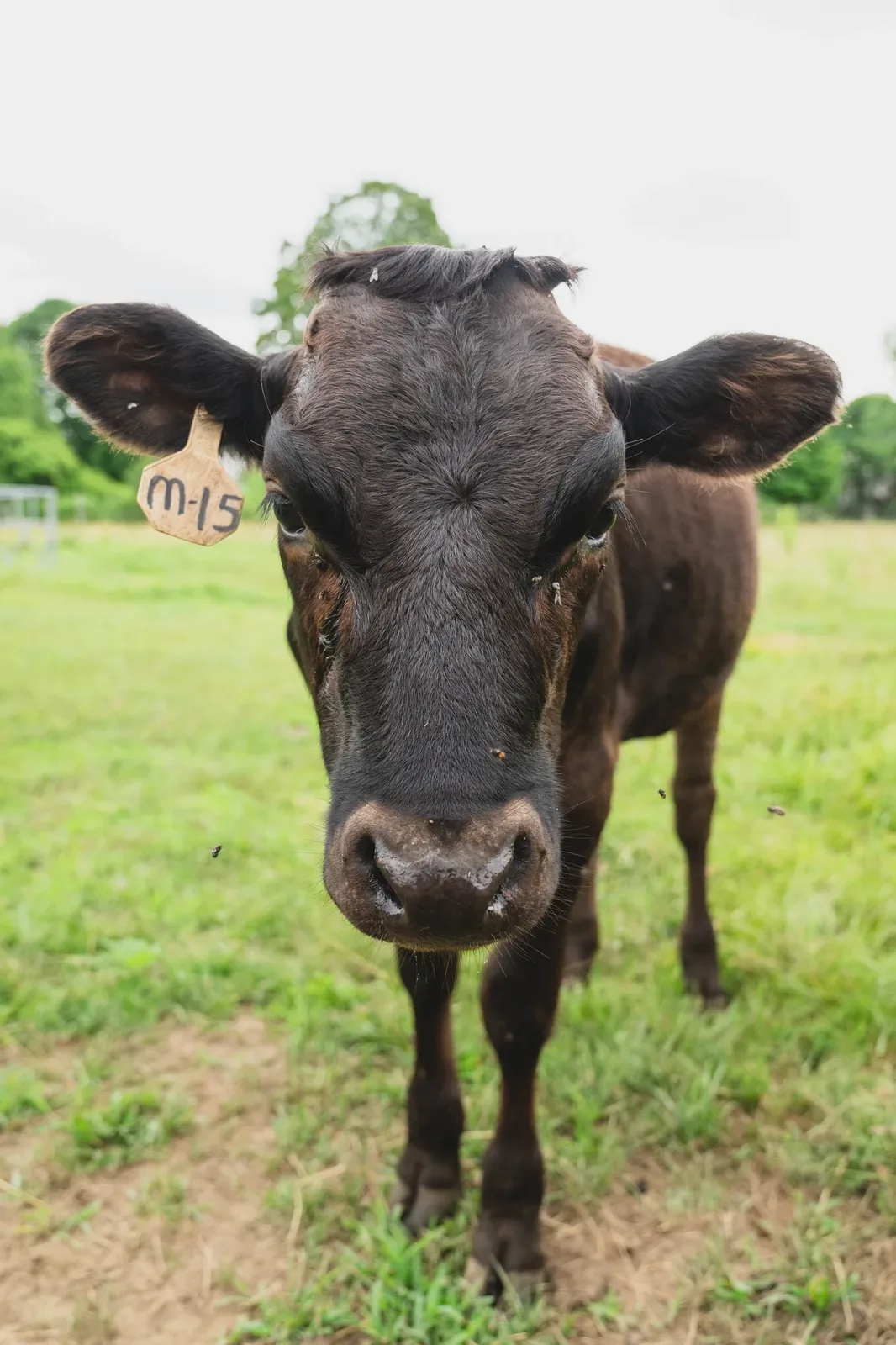
We grow for quality over quantity. Bugs like ladybugs, mantises, lacewings, and wasps handle the pests, so we use no chemicals. We make our own compost and teas here, using our cattle. Spring water from the land feeds every plant start to finish. Cover crops and companion plants keep the soil strong between harvests. We take it slow, and it shows.
Nothing fake enters our system. The cattle graze the field edges and give us material for compost. The compost feeds the soil. The soil feeds the plants. We rest each patch of ground between harvests and plant clover to rebuild it. What comes off this land goes right back into it. We have refined this over many seasons.
Farming in Vermont
Vermont gives us a short window, late May to early October, and it does not go easy on you. Cold September nights can swing 30 degrees from the afternoon. Humid summers mean we need plants that resist mold. Early frosts mean we need plants that finish on time.
Those conditions shaped every strain we grow. The valley's full summer sun, clean air, and swings in temperature give the flower flavor that indoor rooms cannot match. The land does the work on its own.
Harvest and Cure
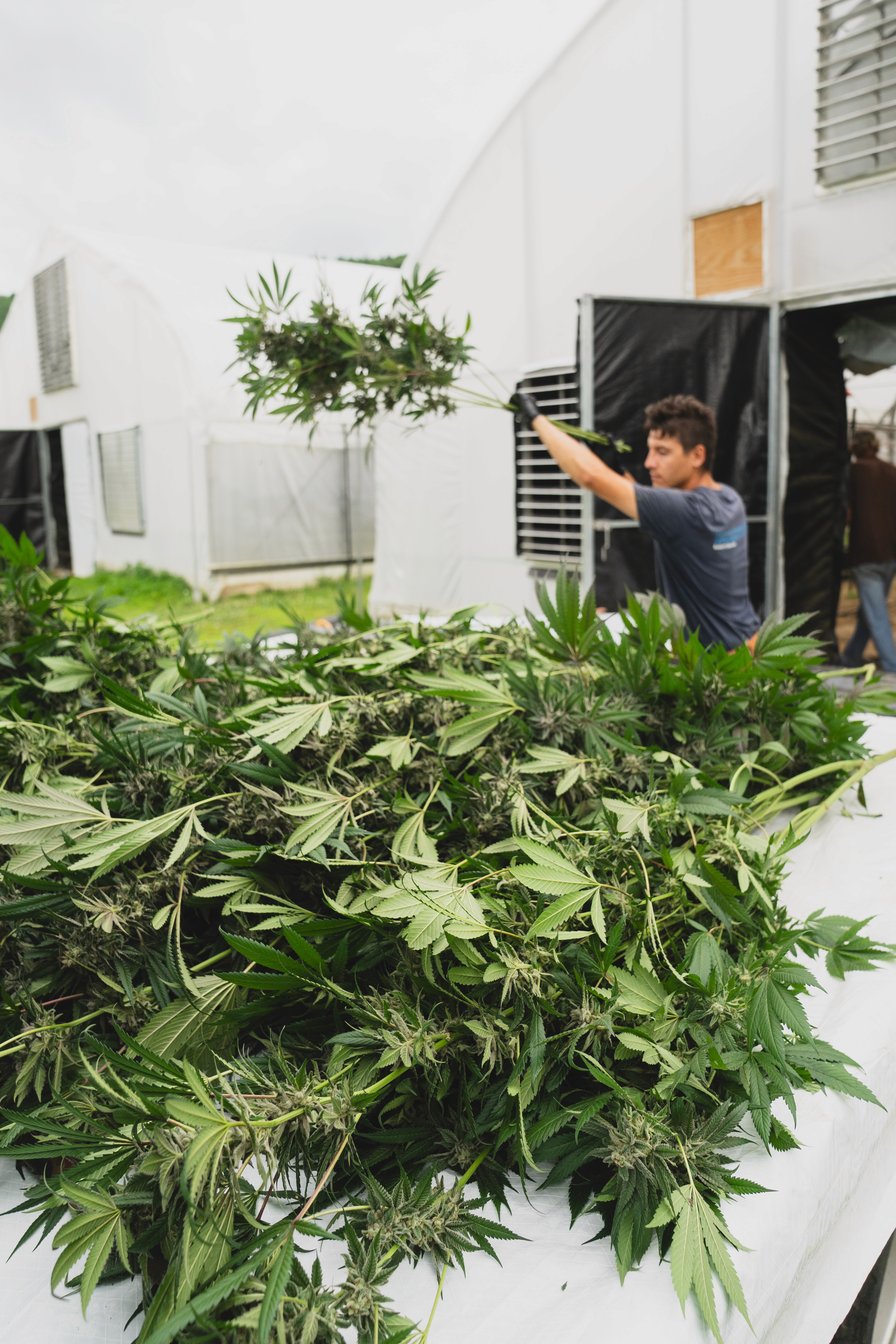
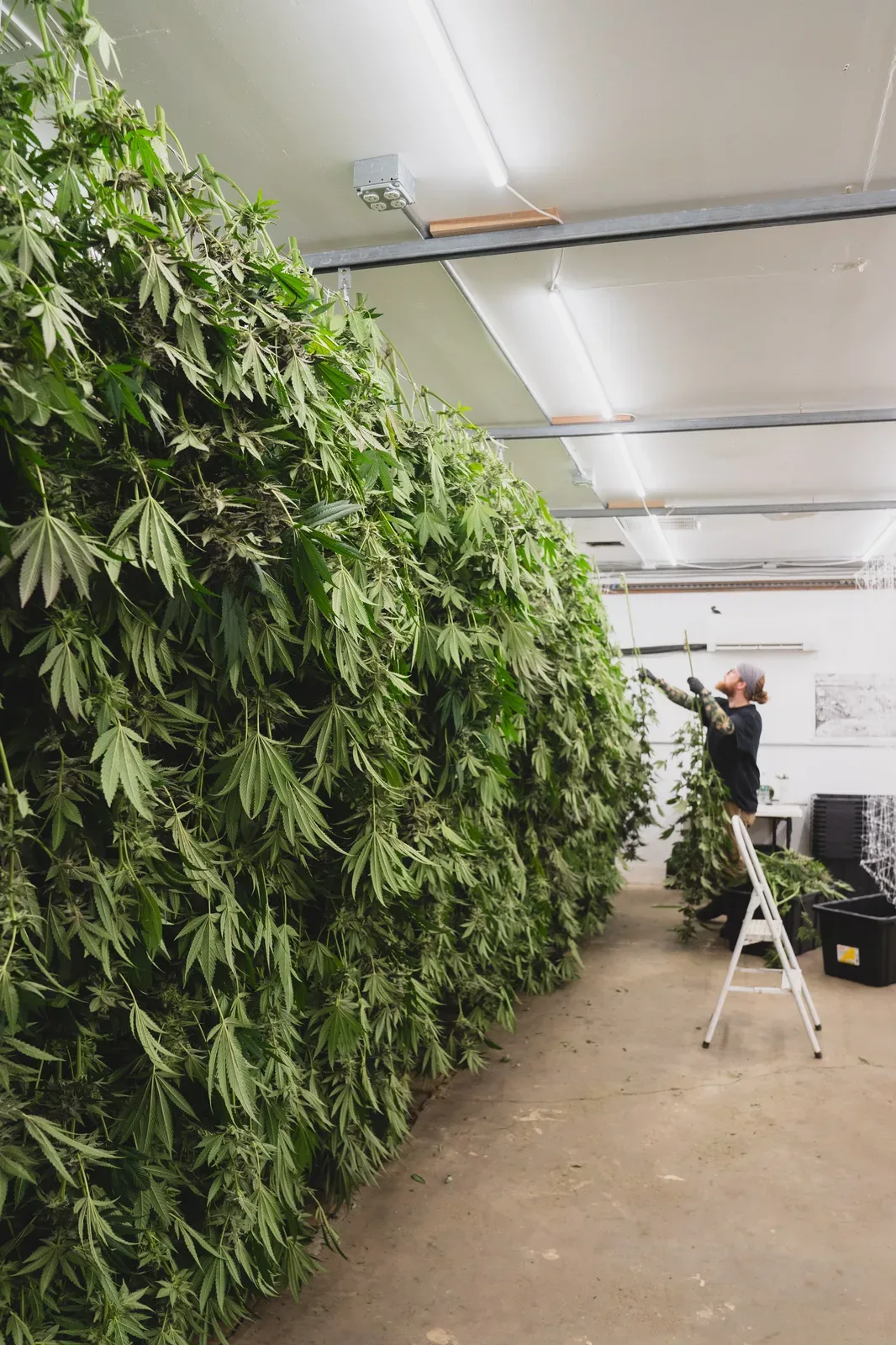
We harvest by hand, one plant at a time, and we pick each strain when it hits its peak. That window is short, a few days at most.
Then we cure the flower slowly for at least four weeks. A good cure locks in the moisture, keeps the flavor, and brings it into focus. We never rush it.