Why Sunkissed Farm calls cannabis plants varietals, not strains. The agricultural tradition behind the word and what it says about how we grow.
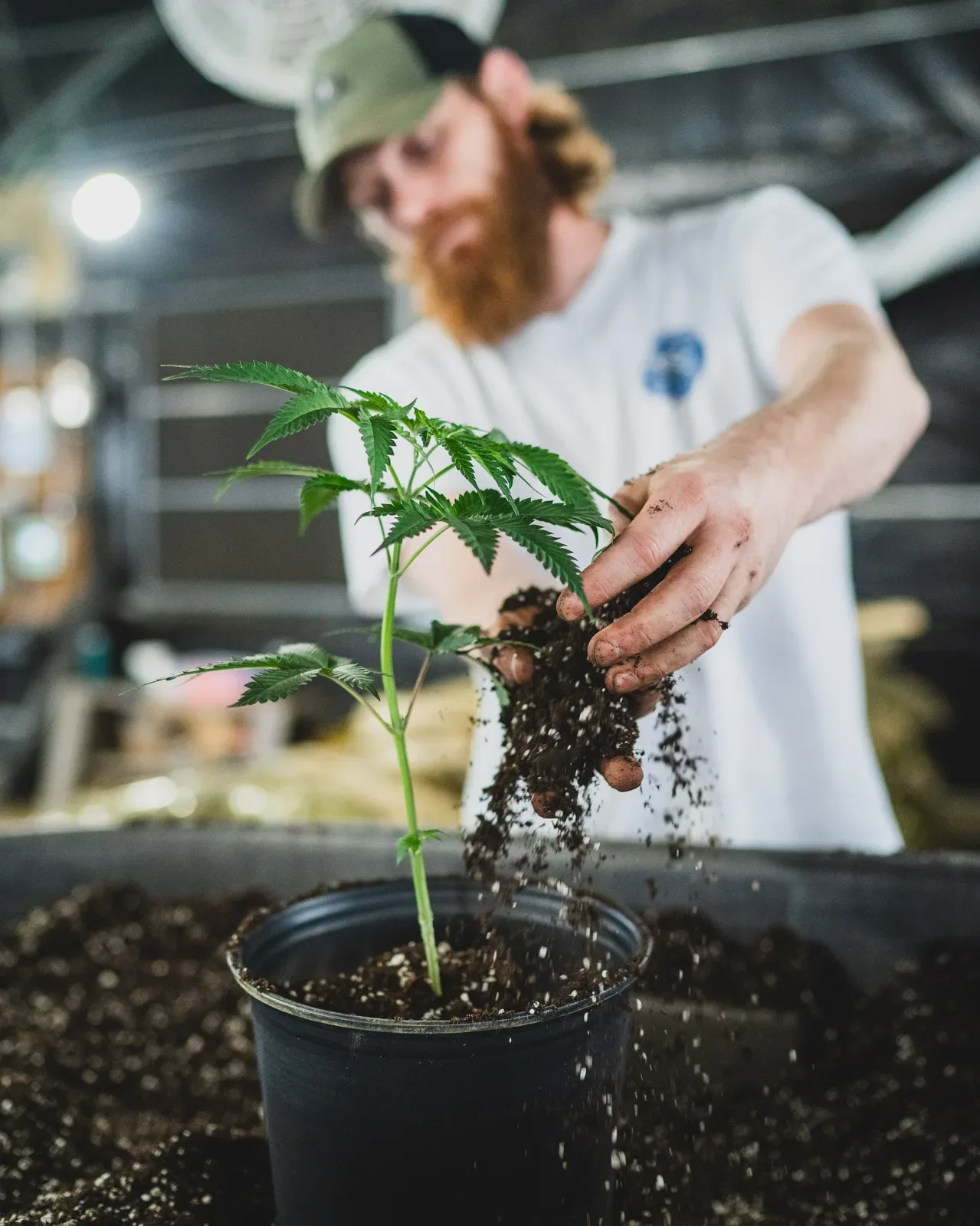
Spend any time at Sunkissed Farm and you'll notice we never say "strain." Not on our packaging, not on our website, not at the counter. We say "varietal." Here's why.
The word strain comes from microbiology. It means a genetic version of a virus, a bacterium, or a fungus. "A new strain of the flu" is correct. It points to something small, easy to copy, and usually something you'd rather avoid.
Cannabis isn't a microorganism. It's a crop. So the words we use should match.
Where the word varietal comes from
A varietal is a cultivated plant variety, chosen over time for certain traits. It's the normal word in wine, coffee, tea, hops, and apples. Almost every farm product where the type matters to the buyer uses it.
A winemaker in Burgundy talking about Pinot Noir is talking about a varietal. A Vermont orchard selling Honeycrisp next to McIntosh is selling two varietals. A coffee roaster comparing an Ethiopian Yirgacheffe to a Colombian Supremo is doing the same thing. A cultivated variety, chosen for what it does well.
Cannabis belongs in that group. The plants we grow at Sunkissed Farm come from our in-house breeding program, chosen for their terpene profiles, how they grow, and how they feel. Tropical Smoothie, Laced Cookies, Purple Rocket Pop are varietals in the same way Cabernet Sauvignon is. They were bred for something specific. They show the terroir they grow in. They've earned language that respects the work behind them.
Why the word strain stuck around
Cannabis spent decades underground. No legal breeding, no farm framework, no reason for careful plant language. "Strain" became the default because the culture around cannabis had no link to farming tradition.
Early genetics didn't help. They were often unstable, unnamed, and impossible to check. Someone handed you a bag and said "this is OG Kush," and you had no way to know. No registry. No certified genetics. The loose words matched a loose system.
That system is gone. Vermont has a regulated market with seed-to-sale traceability, harvest dates on every label, and mandatory testing. Farms like ours run structured breeding programs with documented parent lines and intentional selection criteria. The plant is being treated as agriculture. The language should catch up.
What the science actually says about cannabis categories
A 2021 study published in Nature Plants analyzed over 100 cannabis samples across more than 100,000 genetic markers and found that the traditional sativa and indica labels are, in the researchers' words, "genetically indistinct on a genome-wide scale." The names people rely on to guess their experience don't line up with real genetic groups.
What does line up is the plant's mix of terpene synthase genes. That's the DNA that decides which terpenes the plant produces and in what amounts. This is exactly how varietals work in every other agricultural context. A Riesling and a Gewürztraminer taste different because they carry different aromatic compound genetics, not because a shelf sorts them differently.
This is why we describe our varietals by their dominant terpenes and effects rather than by sativa or indica labels. Telling you Lemon Heads is limonene-dominant with a mood lift is more useful and more accurate than calling it a sativa. It tells you what the plant does, not what box someone put it in.

It's not about being precious with words
We're not correcting anyone. If you walk into our dispensary in Woodstock and ask about strains, nobody is going to look at you sideways. The budtender will know exactly what you mean and help you find what you're looking for.
The word choice is about us, not you. It's about how we think about what we do. Calling our plants varietals keeps us honest about the standard we're trying to meet. It connects what we grow to a tradition of craft agriculture that goes back centuries. And it reminds us that the work happening in our greenhouses in Windsor is the same kind of work happening in vineyards and orchards and hop yards across Vermont and around the world: selecting plants, improving genetics, and growing something worth caring about.
The bigger picture
Cannabis is in the middle of a transition. It spent generations as a commodity defined by potency and weight. It's becoming something defined by craft, origin, and experience. That transition is happening in how farms grow, how consumers choose, and how the industry talks about itself.
Language is part of that transition. Not the most important part. The soil matters more. The genetics matter more. The growing environment matters more. But language shapes how people think about a product, and "varietal" invites people to think about cannabis the way they already think about wine, coffee, and craft food. Something grown on purpose, shaped by place, worth choosing with care.
That's the standard we're trying to hold ourselves to. The word just helps us remember it.
Sunkissed Farm is an artisanal cannabis farm in Windsor, Vermont. Visit our dispensary at 4374 West Woodstock Road, Woodstock, Vermont, open seven days a week. Reach us at hello@sunkissed.farm or 802-222-6920.
What is the difference between a strain and a varietal?
A strain is a term from microbiology that describes a genetic variant of a microorganism like a virus or bacterium. A varietal is a cultivated plant variety selected for specific characteristics, and it's the standard term used in wine, coffee, hops, and other agricultural products. Cannabis is a cultivated crop, not a microorganism, so varietal is the more accurate and appropriate term.
Why does Sunkissed Farm use the word varietal instead of strain?
Sunkissed Farm uses "varietal" because it accurately reflects what the farm does: breeding and cultivating distinct plant varieties through a structured agricultural program. The word connects cannabis to the broader tradition of craft agriculture, from vineyards to orchards, and reflects the intentional selection work behind each variety the farm produces.
Does it matter what word I use at a dispensary?
Not at all. Any budtender will understand what you mean if you say "strain." The vocabulary choice is about how farms and the industry describe their own work, not about correcting consumers. What matters more than the word is understanding the terpene profile and effects of what you're buying, which tells you far more about the experience than any label.
Why are sativa and indica labels considered inaccurate?
A 2021 study published in Nature Plants found that cannabis samples labeled sativa and indica are "genetically indistinct on a genome-wide scale." The traditional category names do not reliably predict a plant's chemical profile or effects. What does predict the experience is the specific combination of terpene synthase genes each plant carries, which is why many farms now describe their varietals by dominant terpenes and effects rather than sativa or indica categories.
Is cannabis really comparable to wine or coffee?
From a botanical and agricultural standpoint, yes. Cannabis, wine grapes, coffee, hops, and tea are all cultivated crops where distinct varieties are selected for specific aromatic and chemical profiles, where growing environment (terroir) shapes the final product, and where the craft of the grower directly affects quality. The main difference is that cannabis legalization is recent, so the agricultural language and framework are still catching up to what the plant actually is.